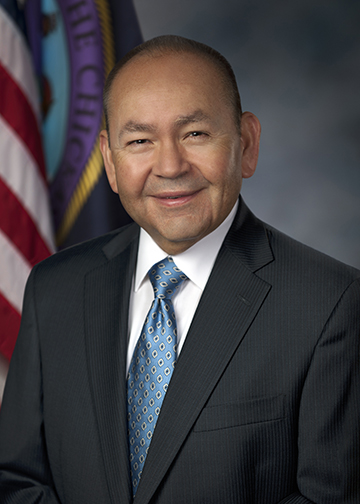
Governor Bill Anoatubby
NAHASDA, housing program marked new steps for exercise of sovereignty
By Bill Anoatubby, Governor, Chickasaw Nation
This month marks 60 years since the Chickasaw Housing Authority was established, a critically important step in meeting the housing needs of Chickasaws.
Quality, affordable housing remains essential to the wellness and stability of individuals and families. For this reason, housing services continue to be a vitally important pillar of our mission to enhance the overall quality of life of the Chickasaw people.
In 1966, when the Chickasaw Housing Authority was created, our tribe only had one employee, the Governor of the Chickasaw Nation, who was appointed by the President of the United States rather than elected by citizens.
However, what we lacked in employees, facilities and assets, we more than made up for with spirit, faith, resilience and an unwavering ambition for renewed sovereignty and self-determination.
In 1967, the U.S. Department of Housing and Urban Development, or HUD, awarded the Chickasaw Nation its first grant, and soon, 14 homes were being constructed in Fillmore, Oklahoma. Most of the families who occupied these houses put in sweat equity during their construction. They helped build the homes that would house their families and future generations.
Throughout the 1970s and 80s, the housing authority worked hard to secure the limited and very competitive HUD grants to fund housing projects. Through those early projects, we saw the resilience of Chickasaw families, the pride that comes with home ownership and how a home can lay the foundation for future success in life.
Though funding was limited, several important housing programs were created during that time. Many of those programs still continue in some form today, including a homeownership program and low-income rental assistance.
In 1996, the Native American Housing Assistance and Self-Determination Act, or NAHASDA, was passed, which simplified the grant process. NAHASDA combined the numerous programs previously available to tribes into a single grant program known as the Indian Housing Block Grant.
Shortly after NAHASDA was passed, we became involved in the negotiated rulemaking process, along with other federal and tribal partners. There were many voices and many concerns, but open dialogue and mutual interests prevailed, and we came to a modified consensus in the end. This process was extremely important, as it was the first time tribes directly shaped the regulations governing our housing programs.
Grants received before NAHASDA had strictly dictated how the funds could be allocated, and the exact specifications of the homes being built. After NAHASDA, tribes had direct input into housing specifications. There was also a significant increase in new housing programs and services, as there was now far more freedom to use grant funding in ways that best served Chickasaws and other First Americans.
A partnership was created between the Chickasaw Housing Authority and the Chickasaw Nation to ensure we are integrated and always working together.
Maintaining our housing authority alongside our housing administration services continues to make a tremendous impact on the success of our housing programs.
Today, the Chickasaw Nation administers eight housing programs, services and grants, and each year, thousands of Chickasaws and First Americans benefit from a range of housing services developed for their needs. From homeownership to home improvement and handicap accessibility grants, and from budgeting services and down payment assistance to a Storm Preparedness Grant.
We are thankful to be able to offer a variety of housing programs, services and opportunities to Chickasaws around the country. With these programs, we will continue to build stronger families, stronger communities and a stronger future.